
All
Belize Business & Economic Outlook 2026: Commonwealth Ties Support Resilient Growth

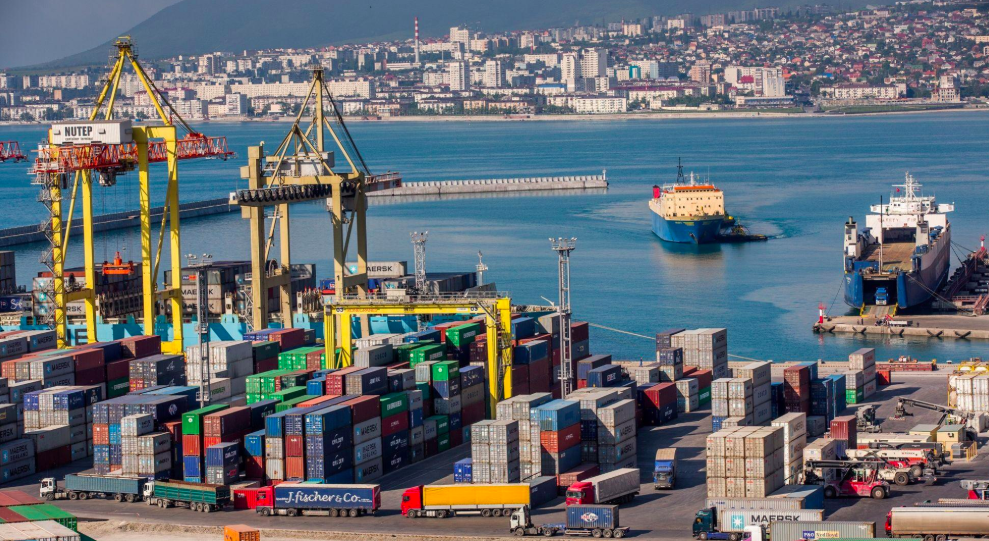
Economic growth is projected at around 4–5% in 2026, driven largely by a rebound in tourism and improved export performance. The tourism sector—particularly eco-tourism and cruise arrivals—has seen a strong revival, with visitors from Commonwealth countries such as the United Kingdom and Canada contributing significantly to foreign exchange earnings. This recovery is helping rebuild employment and support small businesses across the country.
Agriculture remains another key pillar of Belize’s economy. Exports of sugar, citrus, and bananas continue to benefit from preferential access and long-standing trade relationships within Commonwealth markets. The “Commonwealth Advantage,” which reduces trade barriers among member states, has enabled Belizean producers to remain competitive despite rising global costs.
In addition, Belize is expanding its blue economy and sustainable development initiatives, areas strongly supported by Commonwealth cooperation. Fisheries, marine conservation, and climate-resilient projects are receiving technical and financial backing through regional partnerships, helping diversify income sources and protect natural resources.
However, challenges persist. Belize faces a trade imbalance, high import dependence, and vulnerability to external shocks such as rising fuel prices and climate-related risks. Public debt management and fiscal discipline remain important priorities for policymakers in 2026.
The government is also focusing on improving the investment climate by strengthening financial regulations, enhancing digital infrastructure, and encouraging foreign direct investment. Collaboration with Commonwealth institutions is playing a supportive role in these reforms, particularly in governance and capacity-building efforts.
Overall, Belize’s business and economic outlook in 2026 reflects a balanced path of recovery and reform. With continued support from Commonwealth networks and a focus on sustainable growth sectors, Belize is positioning itself for long-term stability and inclusive economic development within the global economy.
All
13-Year-Old Pune Girl’s Inspiring Writing Journey Explores Female Strength, Values and Inner Awareness

Anwita’s proposed book seeks to look at relationships and the experiences that shape young lives. Through her writing, she aims to explore how confidence, family support, friendship and trust can help young people understand themselves and navigate challenges.
An important part of Anwita’s personal journey is her daily practice of Sahaja Yoga meditation, following techniques taught by Her Holiness Shri Mataji Nirmala Devi, whom she deeply admires. She practices meditation regularly and is supported in this journey by her father, Atul Sharma, and mother, Barkha Sharma.
For Anwita, meditation and writing represent complementary ways of understanding life—one encouraging inner awareness and the other providing a means to express thoughts and observations about relationships and society.
Her proposed focus on female strength also connects with wider conversations about the aspirations, confidence and voices of girls and young women across Commonwealth societies. At the same time, her emphasis on family values and friendship reflects themes shared by communities across generations and cultures.
From a Commonwealth perspective, Anwita’s story represents the growing contribution of young voices to conversations about values, resilience, family relationships and social harmony. The Commonwealth brings together diverse societies, and young people like Anwita can contribute fresh perspectives shaped by their own cultural and personal experiences.
At 13, her journey is only beginning. Her proposed book could become an opportunity to share a young person’s perspective on how inner awareness, family support, trust, friendship and personal strength can influence the way the next generation views the world.

On 30 September 2026, Flydubai Flight FZ1073, travelling from Dubai to Tel Aviv, was diverted to Tabuk, Saudi Arabia, following a violent incident in the cockpit. According to Israeli officials and media reports, the co-pilot allegedly attacked Captain Smit Machchhar, an Indian national, and the aircraft subsequently entered a rapid descent. Investigations by authorities in the region are continuing, and the motive has not yet been established.
Despite being injured, Captain Machchhar reportedly managed to open the cockpit door, enabling passengers and crew to intervene. The aircraft was eventually stabilised and landed safely in Saudi Arabia. Reports said the flight was carrying 174 people, including children. India’s Embassy in Riyadh confirmed that Machchhar received medical attention in Tabuk and was reported to be in stable condition.
A Commonwealth Perspective
Although the incident occurred outside the Commonwealth framework, it offers a wider illustration of the interconnected world in which Commonwealth citizens and institutions operate. An Indian aviation professional, passengers of different nationalities, a UAE-based airline and authorities in Saudi Arabia, the UAE and Israel were all involved in responding to the emergency.
For Commonwealth countries, where people, businesses and professionals routinely travel and work across international borders, the episode underscores the practical importance of aviation safety, professional standards, emergency preparedness and cooperation between countries.
Captain Machchhar’s reported actions, together with the intervention of passengers and crew, also demonstrate how individual responsibility can become critical during an international emergency.
Investigations remain underway, and further conclusions about the incident and its motive should await findings from the relevant authorities.
All
‘Tarunoday Prayas-3’ to Bring Employment, Dialogue and Community Participation Together in Indore on October 4

Indore: The Narmadiya Brahmin community’s youth-oriented initiative ‘Tarunoday Prayas-3’ will be organised on Sunday, October 4, 2026, in Indore, bringing together employment and self-employment opportunities, social dialogue, community interaction and recognition of talented students.
The programme will be held from 9:00 AM to 5:00 PM at Maa Kanakeshwari Mata Temple (Safed Mandir), near Readymade Complex, Pardeshipura, Indore. The event will focus on a large-scale Employment and Self-Employment Fair, an Introduction Session, Dialogue and Open Forum on Social Issues, and a Talent and Parents Felicitation Ceremony.
The initiative is built around the philosophy of “Don’t Complain, Find Solutions; Speak from the Heart, Not from the Stage; and Sit Together, Not in Front of Each Other.” Tarunoday seeks to create a participatory environment where members of the community can come together as equals, share their experiences and ideas, discuss social concerns and collectively explore practical solutions.
Unlike conventional programmes, Tarunoday does not make arrangements for a special stage or elevated seating for any individual. Participants sit together and engage in direct dialogue. According to the organisers, Maa Narmada is regarded as the symbolic centre or ‘stage’ of the programme, and her ceremonial garlanding is performed by a young girl. The organisers say that this tradition represents the values of equality, simplicity and collective participation.
The same spirit is reflected in the felicitation ceremony, where young girls participate in felicitating the honoured guests and achievers. According to the organisers, the practice highlights the role of the younger generation and conveys the message that community participation should extend across generations.
Tarunoday Prayas-3 is the third initiative in the series. The first Prayas was organised in Indore and witnessed the participation of approximately 400 young people. The second Prayas was held on the banks of the Narmada in Jabalpur, with a major focus on promoting social participation and unity through a collective Yagyopavit (Upanayan) Sanskar ceremony.
Speaking about the initiative, Dr. Madhur Temle said that Tarunoday is not the programme of any one individual or group, but a collective effort inspired by the thought of “You and I, all of us together” to create new opportunities, meaningful dialogue and practical solutions for the community.
He said the objective of Tarunoday is to move beyond merely discussing challenges and instead create an environment where people can identify opportunities, exchange ideas and work together towards solutions. The initiative places particular emphasis on youth participation, employment opportunities, social interaction and recognising the achievements of the community’s younger generation.
With employment, self-employment, social dialogue, introduction and recognition of talent brought together under one initiative, Tarunoday Prayas-3 aims to provide a common space for the Narmadiya Brahmin community to connect, communicate and contribute towards collective progress.


13-Year-Old Pune Girl’s Inspiring Writing Journey Explores Female Strength, Values and Inner Awareness

From Cockpit Crisis to Cross-Border Cooperation: Indian Pilot Helps Avert Flydubai Disaster

‘Tarunoday Prayas-3’ to Bring Employment, Dialogue and Community Participation Together in Indore on October 4

Progress is Painfully Slow’: Rudolph Walker Discusses Equality for Black Actors in the Commonwealth

Vipul Jain to Be Honored at Rising Bharat Conclave 2024 in the House of Commons for Transforming Wealth Management in Tribal Communities

Commonwealth Nations Celebrate Unity and Progress Under ‘Together We Thrive’ Theme

-
 All2 years ago
Progress is Painfully Slow’: Rudolph Walker Discusses Equality for Black Actors in the Commonwealth
-
 All2 years ago
Vipul Jain to Be Honored at Rising Bharat Conclave 2024 in the House of Commons for Transforming Wealth Management in Tribal Communities
-
 All2 years ago
Commonwealth Nations Celebrate Unity and Progress Under ‘Together We Thrive’ Theme
-

 All2 years ago
Sri Lanka to Host Malayalam Film Starring Mammootty and Mohanlal: A Cultural Collaboration in the Commonwealth
-

 All2 years ago
Dominican Chairman Oversees Caribbean Plant Health Directors Annual Meeting, Strengthening Commonwealth Agricultural Collaboration
-

 All2 years ago
Harnessing AI for Sustainable Tourism Growth in Zimbabwe: A Commonwealth Initiative
-

 All2 years ago
BIMSTEC Summit 2025 Highlights Regional Cooperation Aligned with Commonwealth Development Goals
-

 All2 years ago
INS Talwar Docks in Mombasa, Strengthening Kenya-India Naval Collaboration as Part of Commonwealth Relations