

Healthcare
Commonwealth Focus: CARPHA and OECS Launch Regional Drive to Tackle Men’s Health Crisis in Caribbean


In a progressive step toward advancing public health within the Commonwealth, the Caribbean Public Health Agency (CARPHA) and the Organisation of Eastern Caribbean States (OECS) have jointly launched a bold new initiative to address pressing men’s health challenges in the Caribbean region.
The campaign, launched under the banner “Men’s Health Matters”, seeks to tackle a range of issues affecting Caribbean men—including high rates of non-communicable diseases (NCDs), mental health stigma, underutilization of healthcare services, and the impact of lifestyle-related conditions. Statistics show that men in many Caribbean nations suffer from lower life expectancy and are less likely to seek preventive care—posing both a public health and socio-economic concern.
CARPHA Executive Director Dr. Joy St. John emphasized the importance of culturally tailored interventions to improve outcomes. “We cannot ignore the silent crisis affecting men’s health across our region. This initiative aims to raise awareness, promote healthy lifestyles, and make healthcare more accessible and acceptable to men.”
The OECS Director General, Dr. Didacus Jules, echoed the sentiment, highlighting the role of health in shaping stronger, more resilient societies: “Healthy men are critical to building healthy families, communities, and economies. This effort is not just about health, it’s about long-term development and equity.”
The program will involve mobile health clinics, media campaigns, partnerships with faith-based and community organizations, and a focus on reaching men in underserved rural and urban communities.
As members of the Commonwealth, Caribbean states have consistently prioritized inclusive health systems and the Sustainable Development Goals (SDGs). This regional collaboration reflects a shared commitment to health equity, and may serve as a blueprint for other Commonwealth nations facing similar gender disparities in healthcare access.


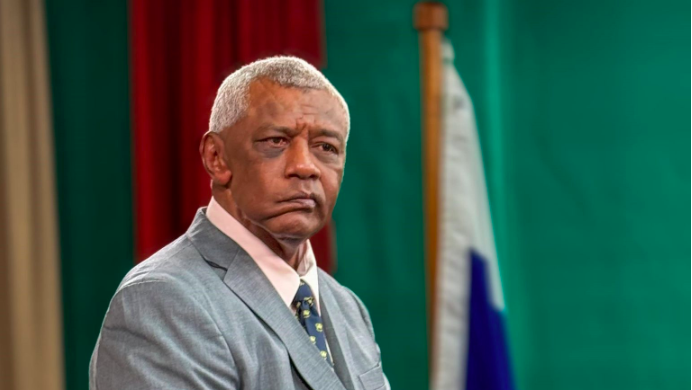
Suva, Fiji’s Minister for Defence and Veteran Affairs, Pio Tikoduadua has emphasized that while the Republic of Fiji Military Forces (RFMF) is prepared to assist in combating the country’s drug crisis, their involvement would only come as a last resort and in support of civilian agencies.
Speaking at a press conference, Tikoduadua highlighted that the drug issue is not merely a law enforcement challenge but a deeper social concern. He pointed to poverty, unemployment, family breakdowns, and lack of education as key factors driving drug use and trafficking.
“It’s important to understand that the fight against drugs is not solely a law enforcement challenge—it is fundamentally a social issue,” he said. “These problems cannot be solved by force alone.”
Fiji, a Commonwealth nation, has seen a rise in drug-related crimes, prompting urgent calls for intervention. The government is working closely with law enforcement, social services, and community organizations to address both the supply and demand sides of the crisis.
Tikoduadua reiterated that the military’s primary role remains supporting civilian agencies, with direct intervention only considered if the situation escalates beyond conventional law enforcement capabilities.
As part of the Commonwealth, Fiji can also seek collaborative efforts with regional partners to enhance border security and implement community-driven rehabilitation programs. Many Commonwealth nations are facing similar challenges and have adopted multi-sectoral approaches to tackling drug abuse, combining law enforcement with education, employment initiatives, and rehabilitation services.
The Fijian government remains committed to addressing the root causes of drug abuse while ensuring national security, reinforcing that military intervention will remain a last resort.


Tanzania’s President Samia Suluhu Hassan confirmed a new outbreak of the deadly Marburg virus in the East African nation, marking the second such incident since 2023. The confirmation comes amid rising concerns within the Commonwealth, as countries across the globe remain vigilant in the face of infectious disease outbreaks.
The president disclosed that one confirmed case of the Marburg virus has been reported, and authorities are closely monitoring the situation. Last week, the World Health Organization (WHO) raised alarms after reports indicated that a suspected Marburg outbreak in Tanzania had claimed eight lives, with the risk at the national level deemed “high.” However, these figures have not been officially verified by Tanzanian authorities, who are still investigating the scope of the outbreak.
Marburg, a highly contagious and often fatal viral hemorrhagic fever, has been responsible for several outbreaks in Africa, particularly in countries such as Uganda and Guinea. Its re-emergence in Tanzania has prompted immediate public health measures, including quarantine, contact tracing, and increased health surveillance to prevent further spread.
The Commonwealth, which consists of member states across Africa, Asia, the Caribbean, and the Pacific, is particularly concerned due to the interconnectedness of public health systems and the potential for the virus to spread across borders. Many Commonwealth countries are working together to enhance disease surveillance, share expertise, and coordinate efforts in the fight against Marburg and other infectious diseases.
The outbreak in Tanzania underscores the ongoing need for global cooperation, especially within the Commonwealth, to ensure a swift and coordinated response to health emergencies. As the situation develops, member states are urged to stay alert and offer support to Tanzania in its efforts to contain the virus.
Healthcare
Rwanda and WHO Declare End of Marburg Outbreak, Bolstering Health Security Across the Commonwealth


On December 20, 2024, the World Health Organization (WHO) and the government of Rwanda officially declared the end of the Marburg virus outbreak that began in the country in late September. This announcement marks a significant achievement in the fight against infectious diseases in the region and highlights the strength of collaborative health efforts within the Commonwealth.
Rwanda reported its first cases of the Ebola-like Marburg virus on September 27, 2024, with a total of 66 confirmed cases and 15 deaths by the time the outbreak was declared over. The majority of the affected individuals were healthcare workers who had been exposed to the virus while treating the initial cases. The country took swift action, enacting rigorous containment measures, conducting mass awareness campaigns, and ensuring healthcare personnel received the necessary training and protective equipment.
The virus, which has a high fatality rate of up to 88%, caused widespread concern due to its rapid onset and symptoms similar to those of Ebola, including fever, muscle pain, diarrhea, and vomiting, often leading to hemorrhagic shock and death. However, thanks to the combined efforts of the Rwandan Ministry of Health, the WHO, and various international partners, no new cases have been reported since October 30, and the last patient was discharged on November 8, 2024.
The successful containment of the Marburg outbreak is a testament to Rwanda’s resilience and the effective collaboration within the Commonwealth nations. As part of the global effort to prevent future outbreaks, the Commonwealth has emphasized the importance of sharing resources, knowledge, and expertise to build stronger healthcare systems across member states.
This victory not only strengthens Rwanda’s healthcare infrastructure but also serves as an important example for other nations facing similar health threats within the region and globally.


Diwali 2026: Why the Festival of Lights Is a Big Moment for UK Businesses

UK–India Trade Deal Explained: What It Means for UK Small Businesses

What Is the Commonwealth? A Business Guide to Its 56 Member Countries

Progress is Painfully Slow’: Rudolph Walker Discusses Equality for Black Actors in the Commonwealth

Vipul Jain to Be Honored at Rising Bharat Conclave 2024 in the House of Commons for Transforming Wealth Management in Tribal Communities

Commonwealth Nations Celebrate Unity and Progress Under ‘Together We Thrive’ Theme

-
 Community & Culture2 years ago
Progress is Painfully Slow’: Rudolph Walker Discusses Equality for Black Actors in the Commonwealth
-
 Community & Culture2 years ago
Vipul Jain to Be Honored at Rising Bharat Conclave 2024 in the House of Commons for Transforming Wealth Management in Tribal Communities
-
 News2 years ago
Commonwealth Nations Celebrate Unity and Progress Under ‘Together We Thrive’ Theme
-

 Community & Culture2 years ago
Sri Lanka to Host Malayalam Film Starring Mammootty and Mohanlal: A Cultural Collaboration in the Commonwealth
-

 News2 years ago
Harnessing AI for Sustainable Tourism Growth in Zimbabwe: A Commonwealth Initiative
-

 Education2 years ago
Dominican Chairman Oversees Caribbean Plant Health Directors Annual Meeting, Strengthening Commonwealth Agricultural Collaboration
-

 News2 years ago
BIMSTEC Summit 2025 Highlights Regional Cooperation Aligned with Commonwealth Development Goals
-

 News2 years ago
INS Talwar Docks in Mombasa, Strengthening Kenya-India Naval Collaboration as Part of Commonwealth Relations
