

Energy
Commonwealth Markets Watch: Singapore Warns of Possible Electricity Price Rise Amid Middle East Conflict



Singapore has cautioned that rising global fuel prices caused by the ongoing conflict in the Middle East could eventually push domestic electricity prices higher, though most households are unlikely to feel the impact immediately.
The Energy Market Authority (EMA) said that escalating tensions in the Middle East may influence global energy markets, which in turn could affect electricity costs in Singapore. As an energy-import dependent economy within the Commonwealth network, Singapore closely monitors global fuel price movements to maintain stability in its domestic energy sector.
Despite the uncertainty, EMA reassured consumers that most households are currently protected from sudden price spikes. This is because many customers purchase electricity through fixed-price retail contracts or pay the regulated tariff supplied by SP Group and other licensed retailers. These arrangements help shield households from short-term fluctuations in international energy prices.
However, the regulator noted that if global fuel costs remain elevated for a prolonged period, electricity tariffs could gradually rise in future pricing reviews. Singapore’s power generation relies heavily on imported natural gas, making the country sensitive to global market changes.
Energy analysts say the situation highlights the interconnected nature of global energy supply chains and how geopolitical tensions can affect Commonwealth economies, even those geographically distant from conflict zones.
Singapore authorities continue to monitor developments closely while encouraging households and businesses to adopt energy-efficient practices to manage consumption and mitigate potential cost increases.
The government maintains that maintaining energy resilience and diversification of supply sources remains a key priority as global energy uncertainties persist.


Amid rising fuel demands and supply concerns, Brunei’s oil and gas sector has emerged as a stabilizing force for several Commonwealth economies. Recent diplomatic engagements with countries such as Australia highlight Brunei’s growing importance as a reliable energy partner, particularly in ensuring steady diesel and liquefied natural gas supplies.
At the same time, Brunei is aligning its long-term economic strategy with Commonwealth goals of sustainable and inclusive growth. Government initiatives are focusing on expanding micro, small, and medium enterprises (MSMEs), promoting halal exports, and accelerating digital transformation. These efforts are expected to enhance trade integration within Commonwealth markets, especially across Asia-Pacific and African member states.
Officials have emphasized that platforms provided by the Commonwealth—such as trade forums and business summits—are helping Bruneian enterprises access new markets and partnerships. The country is also leveraging its strategic location and stable economic environment to attract foreign direct investment in petrochemicals, logistics, and fintech sectors.
Infrastructure development remains a key priority, with increased spending on green projects, education, and digital connectivity. These investments are aligned with both national development goals and broader Commonwealth commitments to resilience and sustainability.
Economic analysts suggest that while Brunei continues to depend on hydrocarbons, its diversification policies—supported by Commonwealth cooperation—are gradually building a more balanced and future-ready economy.
As global trade patterns evolve, Brunei Darussalam’s active engagement within the Commonwealth signals its intent to remain a vital contributor to shared economic growth, energy security, and regional stability in 2026 and beyond.
Energy
Commonwealth nation Malaysia advances clean energy as Solarvest secures 36-MW solar project contract


Kuala Lumpur: Solarvest Holdings Berhad has secured a major engineering, procurement, construction and commissioning (EPCC) contract for a 36-MWac solar project in northern Malaysia, marking another step forward in the country’s renewable energy transition.
The company announced that the project will involve the full development cycle, including engineering design, procurement of equipment, construction and final commissioning of the solar facility. The initiative is expected to contribute significantly to Malaysia’s growing clean energy capacity and support national sustainability goals.
Malaysia, a member of the Commonwealth of Nations, has been actively promoting renewable energy projects to reduce its reliance on fossil fuels and lower carbon emissions. The latest contract highlights the increasing role of private sector companies in driving the country’s green energy ambitions.
Industry observers note that solar energy projects such as this are critical in helping Commonwealth nations meet global climate commitments while ensuring long-term energy security. The 36-MW project is expected to generate clean electricity for thousands of households, contributing to both environmental sustainability and economic growth.
Solarvest has been expanding its footprint in the renewable energy sector, positioning itself as a key player in Malaysia’s solar industry. The new contract further strengthens its portfolio and reflects growing investor confidence in clean energy infrastructure across the region.
Officials say the project aligns with broader Commonwealth efforts to promote sustainable development and climate resilience. As countries across the network accelerate their transition to renewable energy, initiatives like this underscore the importance of innovation and collaboration in building a greener future.
Energy
Power Stability Efforts in Gabon Highlight Broader Energy Challenges Across Commonwealth Regions

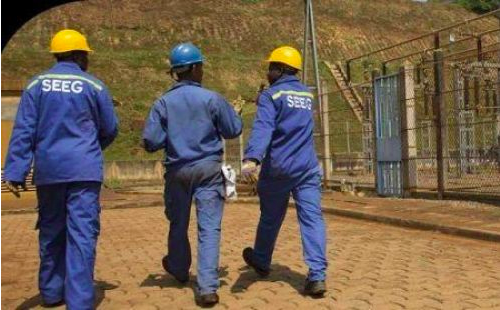
Gabon’s national utility, Société d’Énergie et d’Eau du Gabon (SEEG), has initiated a series of technical interventions to stabilize electricity supply in Greater Libreville following repeated power outages. According to local media reports published on March 2, 2026, the measures focus on strengthening the transmission network and improving electricity generation capacity in the capital region.
The ongoing outages have affected households, businesses and public services, prompting urgent action to restore reliable power. Authorities hope that upgrading infrastructure and improving system management will reduce disruptions and support economic activities in Libreville and surrounding areas.
Energy experts note that while Gabon is not currently a member of the Commonwealth, the situation reflects wider electricity challenges faced by many developing countries across the Commonwealth, particularly in Africa and small island states. Reliable power supply remains a key priority for sustainable development, industrial growth and improved quality of life.
The technical interventions by SEEG include maintenance work, network improvements and capacity enhancement projects aimed at ensuring long-term stability. Officials have expressed confidence that these measures will significantly reduce the frequency of outages in the coming months.
Observers say energy reliability is increasingly seen as a regional development issue, and experiences such as Gabon’s provide useful lessons for Commonwealth countries working to modernize their power infrastructure and strengthen energy security.


Diwali 2026: Why the Festival of Lights Is a Big Moment for UK Businesses

UK–India Trade Deal Explained: What It Means for UK Small Businesses

What Is the Commonwealth? A Business Guide to Its 56 Member Countries

Progress is Painfully Slow’: Rudolph Walker Discusses Equality for Black Actors in the Commonwealth

Vipul Jain to Be Honored at Rising Bharat Conclave 2024 in the House of Commons for Transforming Wealth Management in Tribal Communities

Commonwealth Nations Celebrate Unity and Progress Under ‘Together We Thrive’ Theme

-
 Community & Culture2 years ago
Progress is Painfully Slow’: Rudolph Walker Discusses Equality for Black Actors in the Commonwealth
-
 Community & Culture2 years ago
Vipul Jain to Be Honored at Rising Bharat Conclave 2024 in the House of Commons for Transforming Wealth Management in Tribal Communities
-
 News2 years ago
Commonwealth Nations Celebrate Unity and Progress Under ‘Together We Thrive’ Theme
-

 Community & Culture2 years ago
Sri Lanka to Host Malayalam Film Starring Mammootty and Mohanlal: A Cultural Collaboration in the Commonwealth
-

 News2 years ago
Harnessing AI for Sustainable Tourism Growth in Zimbabwe: A Commonwealth Initiative
-

 Education2 years ago
Dominican Chairman Oversees Caribbean Plant Health Directors Annual Meeting, Strengthening Commonwealth Agricultural Collaboration
-

 News2 years ago
BIMSTEC Summit 2025 Highlights Regional Cooperation Aligned with Commonwealth Development Goals
-

 News2 years ago
INS Talwar Docks in Mombasa, Strengthening Kenya-India Naval Collaboration as Part of Commonwealth Relations
