
News
Malaysia Extends Visa Exemption for Indian Nationals Until 2026, Strengthening Commonwealth Ties

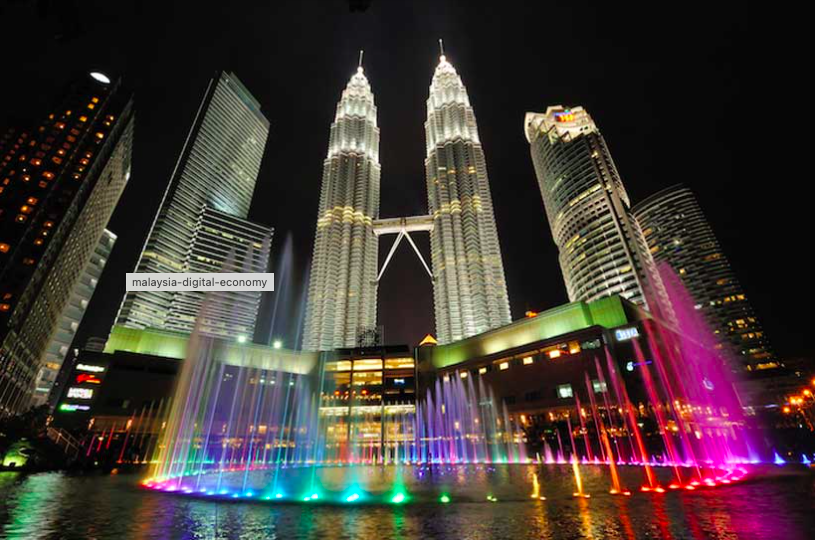
In a significant boost for tourism and bilateral relations, Malaysia has announced an extension of its visa exemption for Indian nationals until December 31, 2026. This move is expected to further strengthen ties between Malaysia and India, two prominent Commonwealth nations, by fostering increased travel and trade.
The extension of the visa-free entry comes as part of Malaysia’s efforts to promote tourism and economic growth, especially in preparation for *Visit Malaysia Year 2026*. Indian travellers, who form a large segment of Malaysia’s tourism market, can now plan trips without the need for a visa, making travel more accessible and convenient.
In addition to the visa exemption, Indian nationals are required to complete the *Malaysia Digital Arrival Card* (MDAC) prior to their arrival. The MDAC is part of Malaysia’s digitalization efforts to streamline the immigration process and enhance security. This initiative aims to improve the traveller experience while also ensuring efficiency and safety in managing arrivals.
The extension of the visa exemption is expected to boost tourism, as well as trade and investment, between the two Commonwealth countries. India, with its large population and growing middle class, is a key market for Malaysia’s tourism and hospitality sectors. The move aligns with Malaysia’s long-term vision of attracting a broader range of visitors and capitalizing on the economic opportunities presented by the Indian market.
For Indian travellers, this is an exciting opportunity to explore the cultural and natural beauty of Malaysia, deepening the ties between two dynamic Commonwealth nations. With the extension in place, both countries are poised to reap the benefits of a stronger and more connected future.

Business
How to Set Up a UK Company from India: A Step-by-Step Guide
More Indian businesses are expanding into the UK. Here is a practical step-by-step guide to setting up a UK limited company from India — from Companies House and identity checks to banking and tax.

In short: A business owner in India can form a UK private limited company online without living in the UK. You need a UK registered office address, at least one director, and identity verification for directors and people with significant control. The online Companies House fee is £100 (from February 2026). The harder parts are usually banking, tax registration and getting the structure right.
With the UK–India trade agreement now in force and bilateral trade worth £48 billion in 2025, according to the UK government, many Indian entrepreneurs and companies are looking at a UK presence — to sell into Britain, access Europe, raise capital or serve the large British Indian community. The process is straightforward when done in the right order.
Can a non-UK resident set up a UK company?
Yes. Directors and shareholders do not need to be UK residents or citizens. However, the company must have a UK registered office address, and since 18 November 2025 directors and people with significant control must verify their identity with Companies House.
What are the steps to set up a UK company from India?
- Choose the structure. Most choose a private limited company (Ltd). Larger groups may set up a UK subsidiary of the Indian parent, or a branch — get advice on which suits your tax position.
- Pick a name and check it is available on the Companies House register.
- Arrange a UK registered office — a physical address in the UK where official post can be sent. Many use a formation agent or virtual office service.
- Verify identities. Directors and people with significant control complete identity verification with Companies House.
- Incorporate online with Companies House. The digital incorporation fee is £100.
- Register for tax. Register for Corporation Tax with HMRC, and for VAT and PAYE if required.
- Open a business account. This is often the slowest step for overseas-owned companies. Many start with an FCA-authorised electronic money institution while a bank account is arranged.
What should Indian businesses watch out for?
- Indian regulations: overseas investment by Indian residents and companies must follow India’s foreign exchange rules — speak to your Indian chartered accountant first.
- Tax residence: where the company is managed and controlled affects where it pays tax. The UK–India double taxation treaty helps avoid paying twice.
- Ongoing filings: annual accounts, a confirmation statement each year and tax returns are required, even if the company is not yet trading.
- Visas: owning a UK company does not give the right to work in the UK. Check the relevant immigration routes separately.
Limited company, subsidiary or branch: what is the difference?
| Option | What it is | Typically suits |
|---|---|---|
| New UK limited company | A separate UK company owned by individuals | Founders starting a new UK venture |
| UK subsidiary | A UK limited company owned by the Indian parent company | Established Indian businesses expanding abroad |
| UK establishment (branch) | The Indian company registered in the UK, without a separate legal entity | Testing the market or limited UK activity |
A subsidiary limits the parent’s liability and is often easier for UK customers, banks and partners to deal with. A branch is simpler but exposes the parent company directly. The right choice depends on tax, liability and long-term plans, so take advice on both sides before deciding.
What taxes will a UK company pay?
- Corporation Tax on profits. The main rate is 25% for profits above £250,000, with a small profits rate of 19% for profits up to £50,000 and marginal relief in between.
- VAT once taxable turnover passes the registration threshold of £90,000 in a rolling 12-month period. Some businesses register voluntarily earlier.
- PAYE and National Insurance if the company employs staff in the UK, including directors who draw a salary.
Tax rules change, so it is worth checking current rates on GOV.UK and working with an accountant who understands both UK and Indian requirements.
What rules apply on the Indian side?
Investment abroad by Indian residents and companies is governed by the Foreign Exchange Management Act and, since 2022, the Overseas Investment Rules and Regulations administered with the Reserve Bank of India. These set out what kinds of overseas investment are permitted, how much can be invested and what reporting is needed through an authorised bank. Getting this right at the start avoids problems when money needs to move between India and the UK.
What if staff need to move to the UK?
Owning a UK company does not give anyone the right to live or work in the UK. For overseas businesses setting up their first UK presence, the Global Business Mobility visa routes — including the UK Expansion Worker route — are designed to allow senior managers or specialists to come to the UK to establish the business. Eligibility criteria are strict and change from time to time, so check the latest Home Office guidance or speak to an immigration adviser.
Commonwealth
Commonwealth Welcomes UK Talks on Reparations: What the Antigua Dialogue Means
CHOGM 2026 leaders welcomed the UK’s agreement to a “structured, time-bound, inclusive and good-faith” dialogue on the transatlantic slave trade. Here is what was agreed, what was not, and what to watch next.
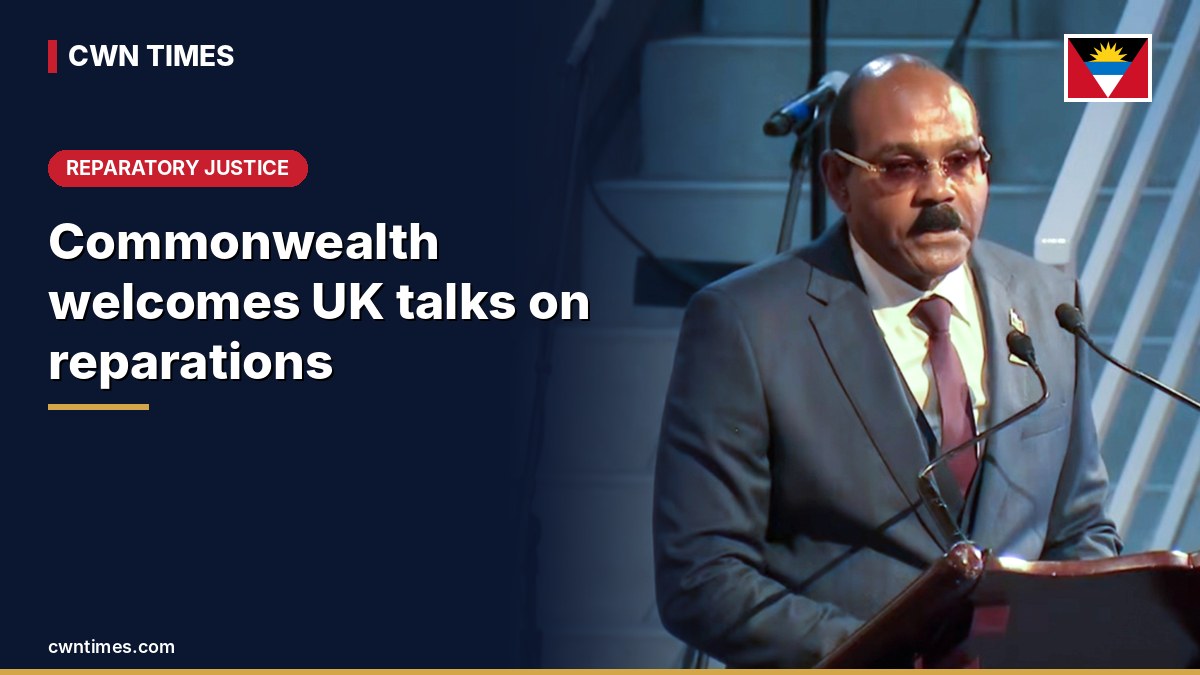
For years, reparatory justice has been raised at Commonwealth summits and then quietly set aside. In Antigua, that changed. When leaders closed the 28th Commonwealth Heads of Government Meeting in St John’s on 4 November, their communiqué recorded something new: the United Kingdom’s agreement to enter talks with affected parties about the slave trade and its legacy.
It is a carefully drafted outcome, and both supporters and sceptics of reparations can point to parts of it. Understanding what it does, and does not, commit to is the key to understanding what comes next.
What exactly does the communiqué say?
Leaders welcomed the UK’s agreement to a dialogue described as “structured, time-bound, inclusive and good-faith”. The text places this within developments since the previous summit in Samoa in 2024, including work by the African Union and CARICOM on reparatory justice and on the return of cultural heritage taken during the colonial era. It also notes a United Nations General Assembly resolution describing the trafficking and enslavement of Africans as “the gravest crime against humanity”.
Each word in the description of the dialogue matters. “Structured” suggests a formal process rather than informal contacts. “Time-bound” suggests it should lead somewhere within a set period. “Inclusive” leaves room for more than governments to take part, and “good-faith” signals that both sides are expected to engage seriously.
What was not agreed?
The communiqué does not create a compensation fund, commit any government to payments or set out a start date, venue or agenda for the talks. Those gaps are deliberate. In the days before the summit, UK Prime Minister Andy Burnham said the UK was open to a formal apology but ruled out financial reparations. He proposed instead that the UK lead a debt restructuring programme for the Commonwealth’s poorest countries.
At the summit’s opening, King Charles III spoke of “the most profound personal sorrow” over the slave trade but did not apologise. The combination of royal regret, a government open to apology but not payment, and an agreed dialogue defines the space in which the talks will now take place.
How did the issue reach this point?
CARICOM, the 15-member Caribbean Community, adopted a Ten-Point Plan for Reparatory Justice in 2014. It calls for a formal apology, development support, debt cancellation, investment in health and education and cultural restitution, among other measures. The African Union has since made reparations a continental priority.
At the 2024 summit in Samoa, Commonwealth leaders agreed for the first time that the time had come for a “meaningful, truthful and respectful conversation” about the slave trade’s legacy, despite reluctance from the UK government of the day. Antigua’s host, Prime Minister Gaston Browne, made reparations one of his summit priorities, and Ralph Gonsalves of St Vincent and the Grenadines and other Caribbean voices urged that it be central to the agenda.
How have leaders reacted?
Caribbean governments see the agreement as progress, but not an end point. Guyana’s President Mohamed Irfaan Ali said an apology should be the King’s next step. Prime Minister Browne linked reparations to the region’s debt and climate pressures, saying no nation should have to sacrifice its future just to survive the present. Campaigners outside the summit venue carried signs reading “Acknowledge the wrong. Commit to repair.”
Why does it matter beyond the Caribbean?
Reparations are often framed as a question of history, but the debate in Antigua was also about economics. Many Caribbean states carry heavy debts and face rising costs from hurricanes and sea-level rise. That is why the UK’s debt restructuring proposal, and the communiqué’s call for debt frameworks that allow repayments to pause after major crises, are closely linked to the reparations discussion. For African members, cultural restitution and development finance are also part of the picture.
What happens next?
The first test is design. Observers will watch who sits at the table, whether CARICOM, the African Union and civil society take part alongside governments, and what “time-bound” turns out to mean in practice. The second is whether the UK moves from openness to a formal apology to actually making one. The third is whether debt relief becomes part of the dialogue. The Commonwealth now has a process where it once had only speeches. The next two years will show what that process can deliver.
Commonwealth
King Charles Voices ‘Profound Sorrow’ Over Slavery at CHOGM, Stops Short of Apology
Opening CHOGM 2026 in Antigua, King Charles III spoke of “horror” and “the most profound personal sorrow” over the transatlantic slave trade, but did not apologise. Here is what he said and how leaders responded.
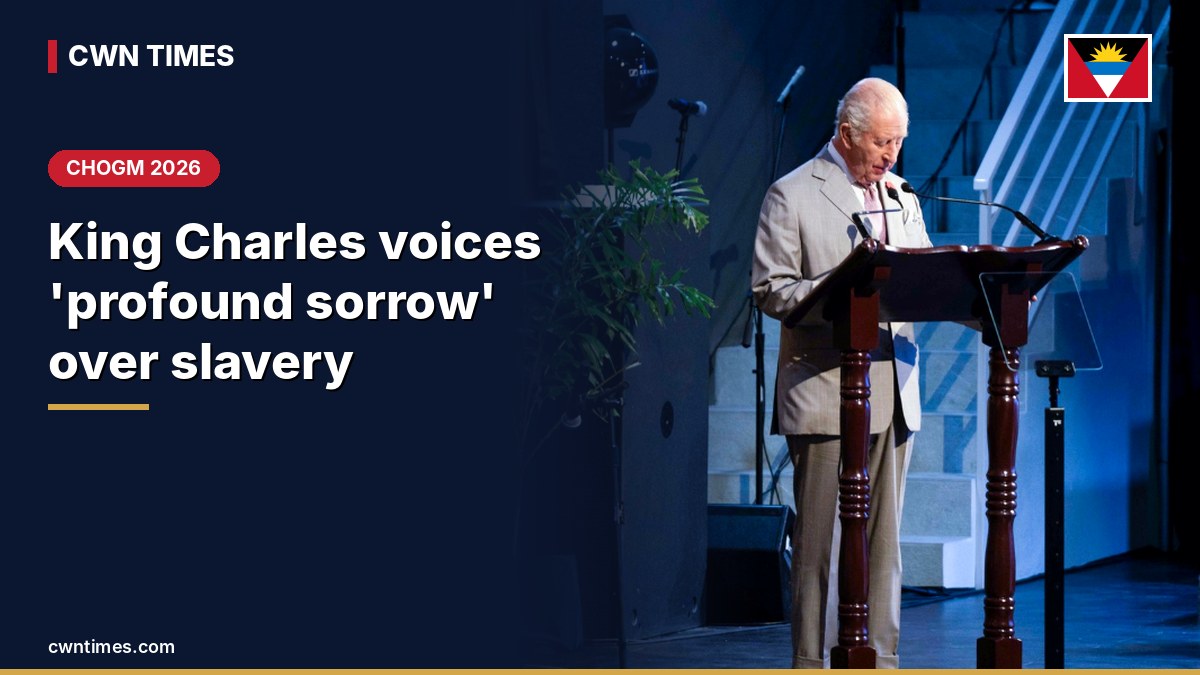
Few moments at the Antigua summit were watched as closely as the King’s opening address. Speaking at the National Performing Arts Centre in St John’s, in front of leaders from the Commonwealth’s 56 member countries, he chose to confront the history of slavery directly, in the region where its legacy is felt most strongly.
The speech came at the end of months of pressure. Caribbean governments, the CARICOM Reparations Commission and campaigners across the region had called for reparatory justice to be at the centre of the summit. Host Prime Minister Gaston Browne had called for a Commonwealth framework on the issue. The King’s words were always going to be read as a signal of how far Britain was prepared to go.
What did King Charles say?
The King described the transatlantic slave trade as something that filled him with “horror” and “the most profound personal sorrow”. He said it “still casts a shadow over these islands and other members of our Commonwealth”. He also noted that the Royal Navy had played “a leading role” in ending the trade after its abolition.
On the question of what should follow, he said: “We cannot change the actions of those who came before us. We can, however, learn from the past.” He then turned to the future, pointing to better education, investment in jobs, more trade between Commonwealth members and stronger climate resilience as the ways the Commonwealth could build shared prosperity.
How does this compare with what he has said before?
The King has spoken about slavery on several occasions. At CHOGM in Kigali in 2022, he spoke of his personal sorrow at the suffering it caused. At the 2024 summit in Samoa, he acknowledged that “none of us can change the past” while saying the Commonwealth could commit to learning its lessons. The Antigua speech used some of his strongest language yet, but it followed the same line: acknowledgement and regret, without an apology.
Why was there no apology?
Buckingham Palace made clear before the Caribbean tour, which also included visits to the Bahamas and Guyana, that no formal apology would be issued. As a constitutional monarch, the King speaks on matters of this kind in line with the advice of the UK government.
The government’s position shifted in the days before the summit. UK Prime Minister Andy Burnham said the UK was open to a formal apology but ruled out financial reparations. Writing in The Guardian, he said he wanted to “express my sorrow and regret for the pain and suffering of so many millions of people”. He also proposed that the UK lead a debt restructuring programme for the Commonwealth’s poorest countries, a move many saw as an attempt to offer something practical without accepting the principle of compensation.
How did Caribbean leaders respond?
Responses were measured but clear. Guyana’s President Mohamed Irfaan Ali said an apology should be the King’s next step. Antigua and Barbuda’s Prime Minister Gaston Browne, chairing the summit, said no nation should have to sacrifice its future just to survive the present, a reference to the debt and climate pressures facing small Caribbean economies.
Outside the venue, protesters carried signs reading “Acknowledge the wrong. Commit to repair.” An Antiguan resident quoted by Al Jazeera said that while people are free in law, many do not yet feel free, and that an apology is where repair begins.
What did the summit agree in the end?
By the time the summit closed on 4 November, leaders had welcomed the UK’s agreement to enter talks with affected parties on the slave trade and its consequences. The communiqué describes the dialogue as “structured, time-bound, inclusive and good-faith”. It does not set up any compensation mechanism or commit to payments, and no timetable for the talks has yet been published.
That outcome reflects the balance of the week. The King’s words acknowledged the scale of the harm. The UK government signalled it might apologise but would not pay. Caribbean and African leaders secured a formal process, which they had not had before, even if its scope is still open.
What happens next?
Attention now moves from the King’s words to the government’s actions. The key questions are whether the UK follows through on a formal apology, how the promised dialogue is organised and who takes part, and whether the proposed debt restructuring for the poorest members becomes part of the wider settlement. For many in the Caribbean, the speech in St John’s was a step forward in tone. Whether it becomes a step forward in substance will depend on the talks that follow.

How to Set Up a UK Company from India: A Step-by-Step Guide

Commonwealth Welcomes UK Talks on Reparations: What the Antigua Dialogue Means

King Charles Voices ‘Profound Sorrow’ Over Slavery at CHOGM, Stops Short of Apology

Progress is Painfully Slow’: Rudolph Walker Discusses Equality for Black Actors in the Commonwealth

Vipul Jain to Be Honored at Rising Bharat Conclave 2024 in the House of Commons for Transforming Wealth Management in Tribal Communities

Commonwealth Nations Celebrate Unity and Progress Under ‘Together We Thrive’ Theme

-
 Community & Culture2 years ago
Progress is Painfully Slow’: Rudolph Walker Discusses Equality for Black Actors in the Commonwealth
-
 Community & Culture2 years ago
Vipul Jain to Be Honored at Rising Bharat Conclave 2024 in the House of Commons for Transforming Wealth Management in Tribal Communities
-
 News2 years ago
Commonwealth Nations Celebrate Unity and Progress Under ‘Together We Thrive’ Theme
-

 Community & Culture2 years ago
Sri Lanka to Host Malayalam Film Starring Mammootty and Mohanlal: A Cultural Collaboration in the Commonwealth
-

 News2 years ago
Harnessing AI for Sustainable Tourism Growth in Zimbabwe: A Commonwealth Initiative
-

 Education2 years ago
Dominican Chairman Oversees Caribbean Plant Health Directors Annual Meeting, Strengthening Commonwealth Agricultural Collaboration
-

 News2 years ago
BIMSTEC Summit 2025 Highlights Regional Cooperation Aligned with Commonwealth Development Goals
-

 News2 years ago
INS Talwar Docks in Mombasa, Strengthening Kenya-India Naval Collaboration as Part of Commonwealth Relations